
The Home Depot
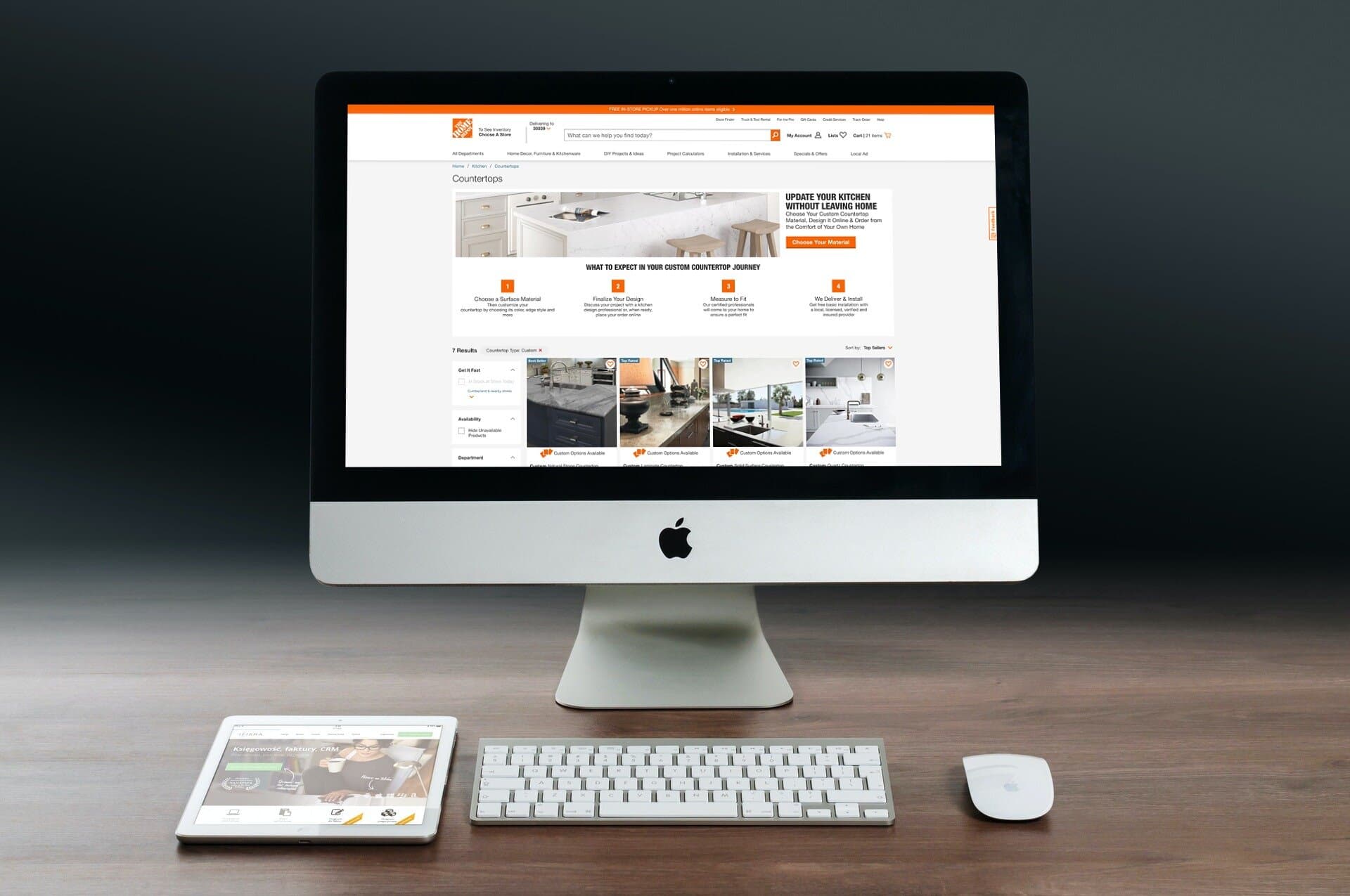
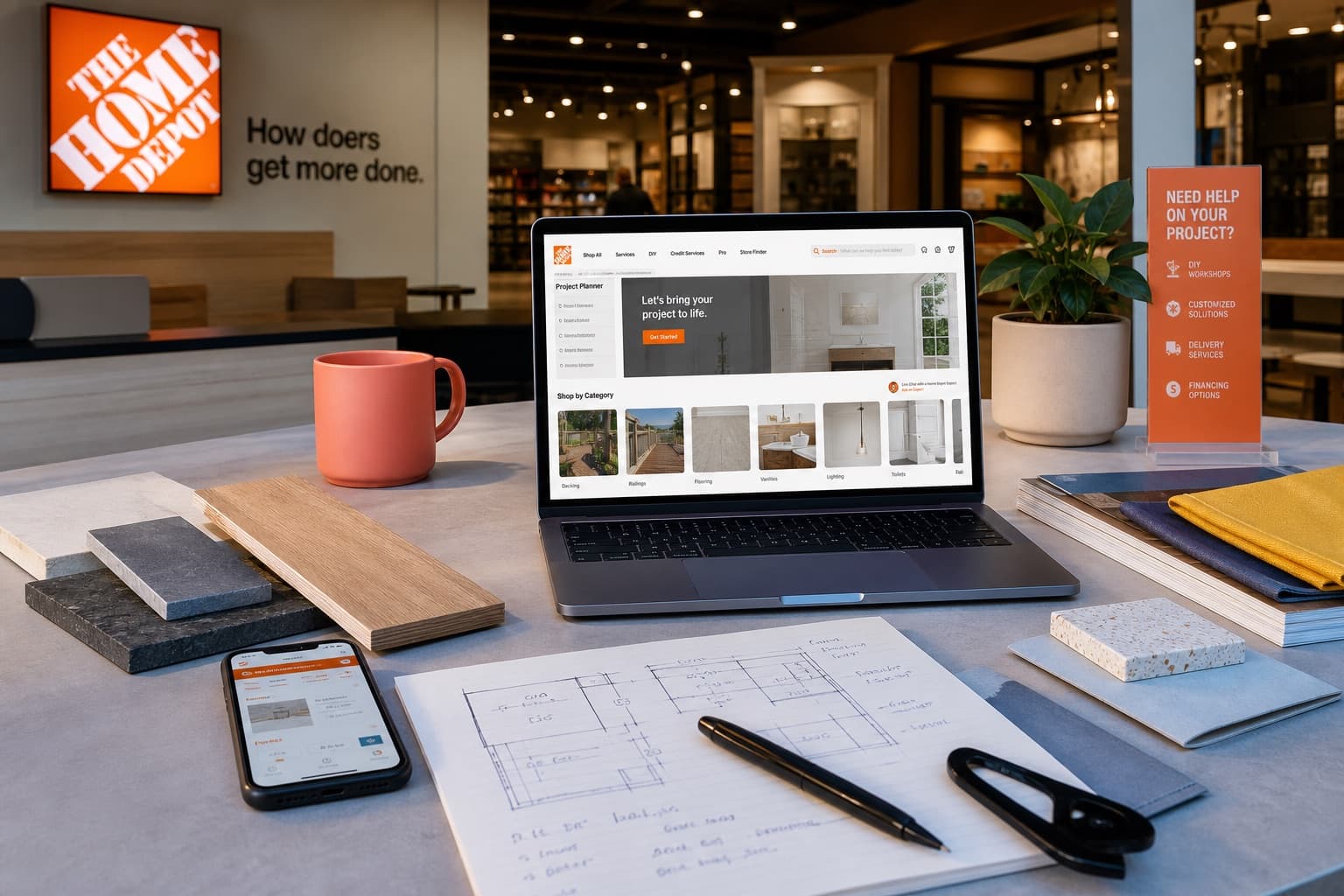
Gibson helped lead UX work for guided project-shopping patterns across HomeDepot.com, turning complex home-improvement decisions into clearer digital paths.
/ Overview
Gibson helped lead UX work for guided project-shopping patterns across HomeDepot.com, turning complex home-improvement decisions into clearer digital paths.
/ Project Details
Name:The Home Depot
Client:The Home Depot
Industries:Enterprise retail / home improvement
Date:2017-2021
Role:Senior Manager, UX Design
/ Challenge
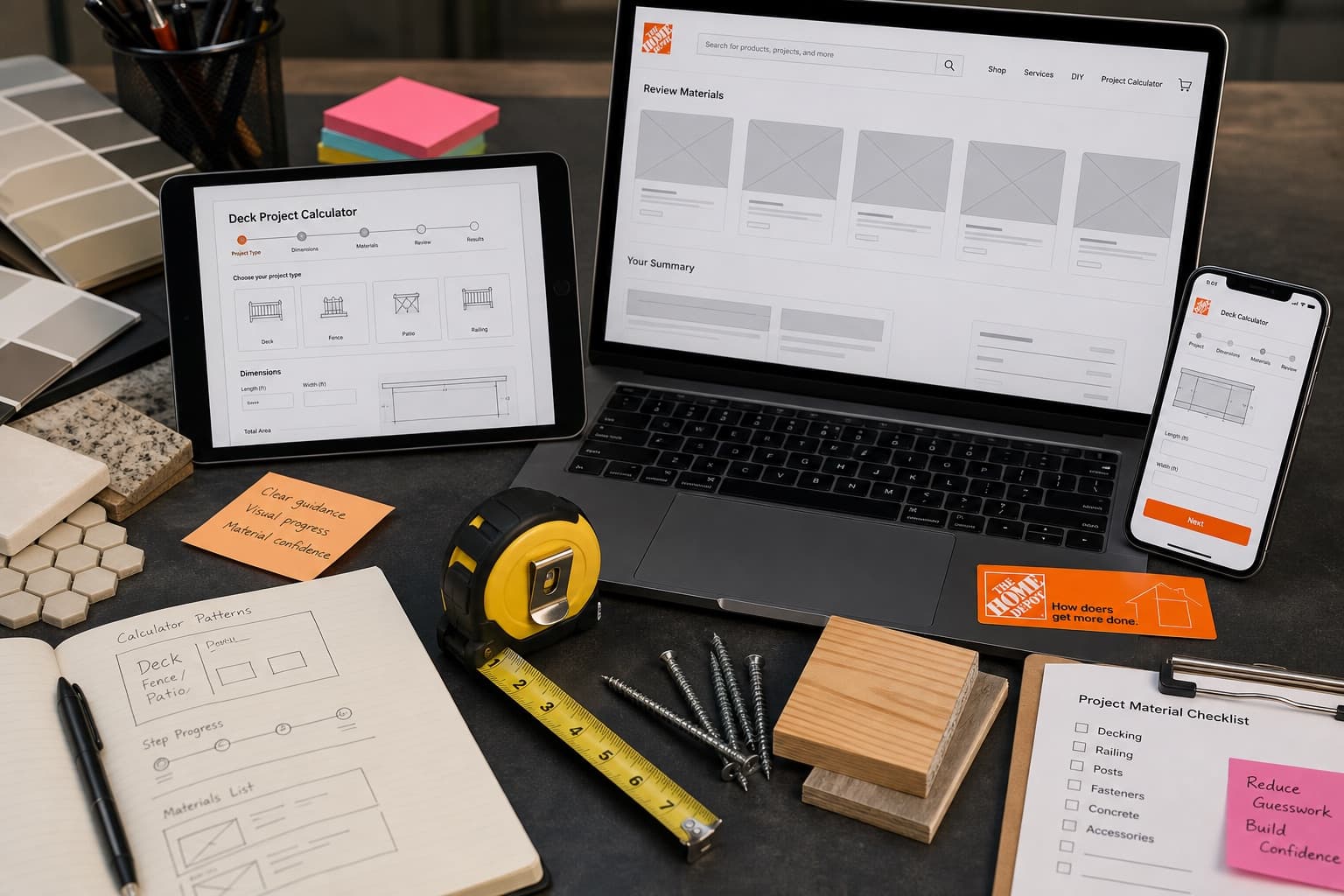
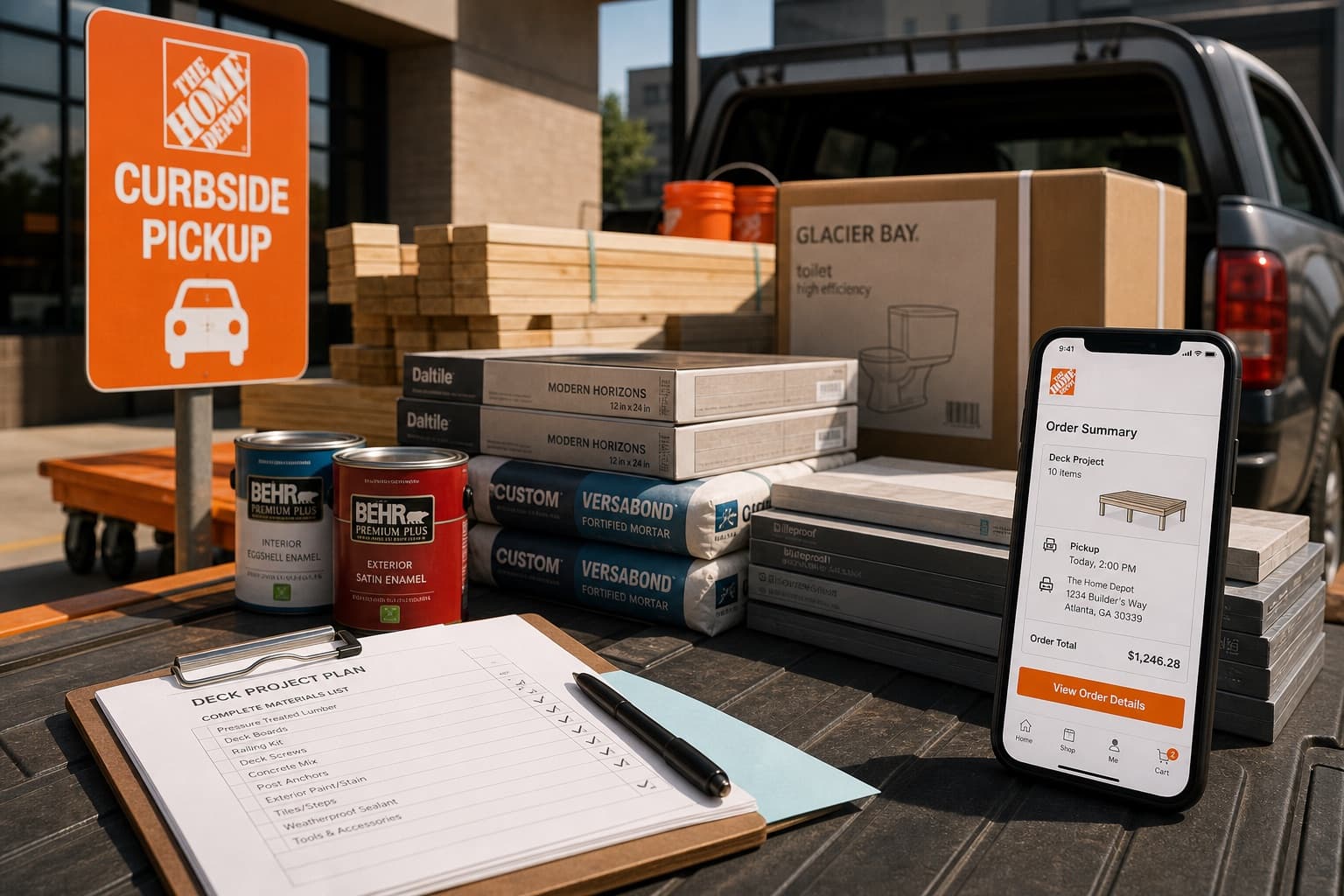
HomeDepot.com had to support highly customizable home-improvement projects inside a massive retail catalog. Customers needed more than a product grid; they needed guided inputs, material decisions, and clear paths to pickup or delivery.Internal Home Depot role leading product designers and UX researchers in partnership with developers, business owners, analysts, and product teams.
/ Provided Services
UX strategy
Reframed project shopping around planning behavior, confidence, and next-step clarity.
Product design leadership
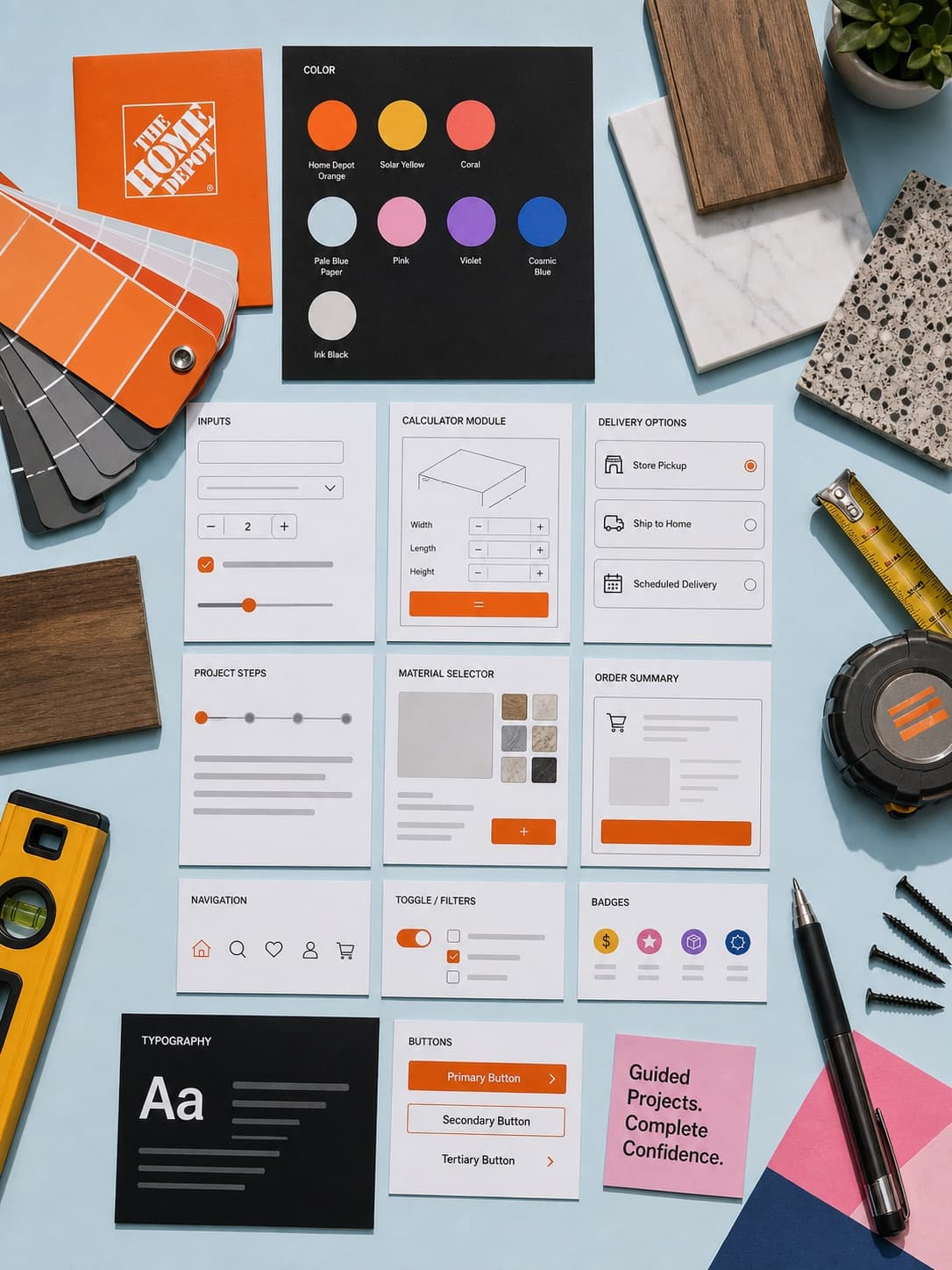
Led designers through reusable patterns for calculators, configurators, mobile flows, and product journeys.
UX research leadership
Used research and testing to make complex inputs easier to understand before cart, pickup, or delivery.
/ Solution
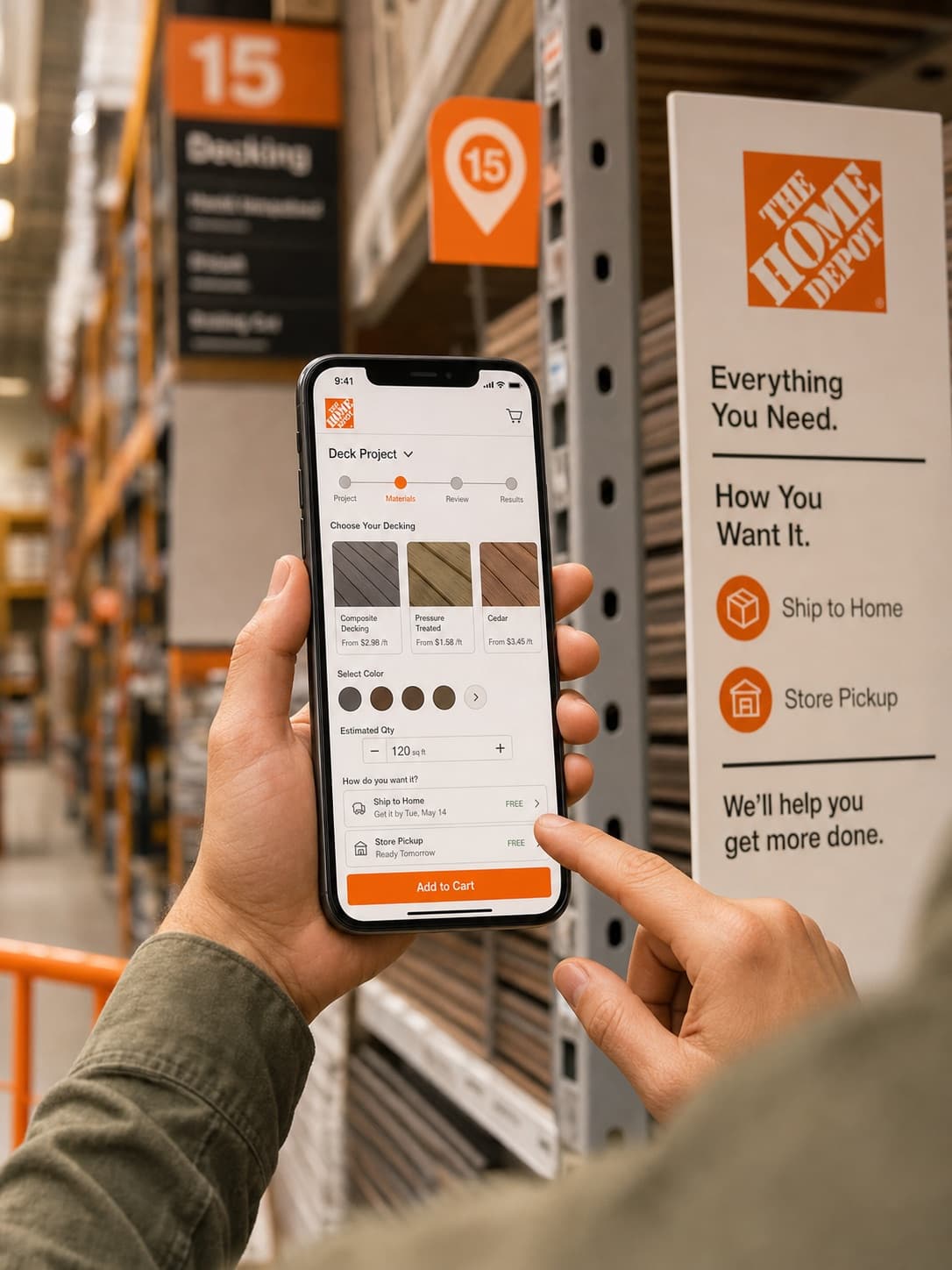
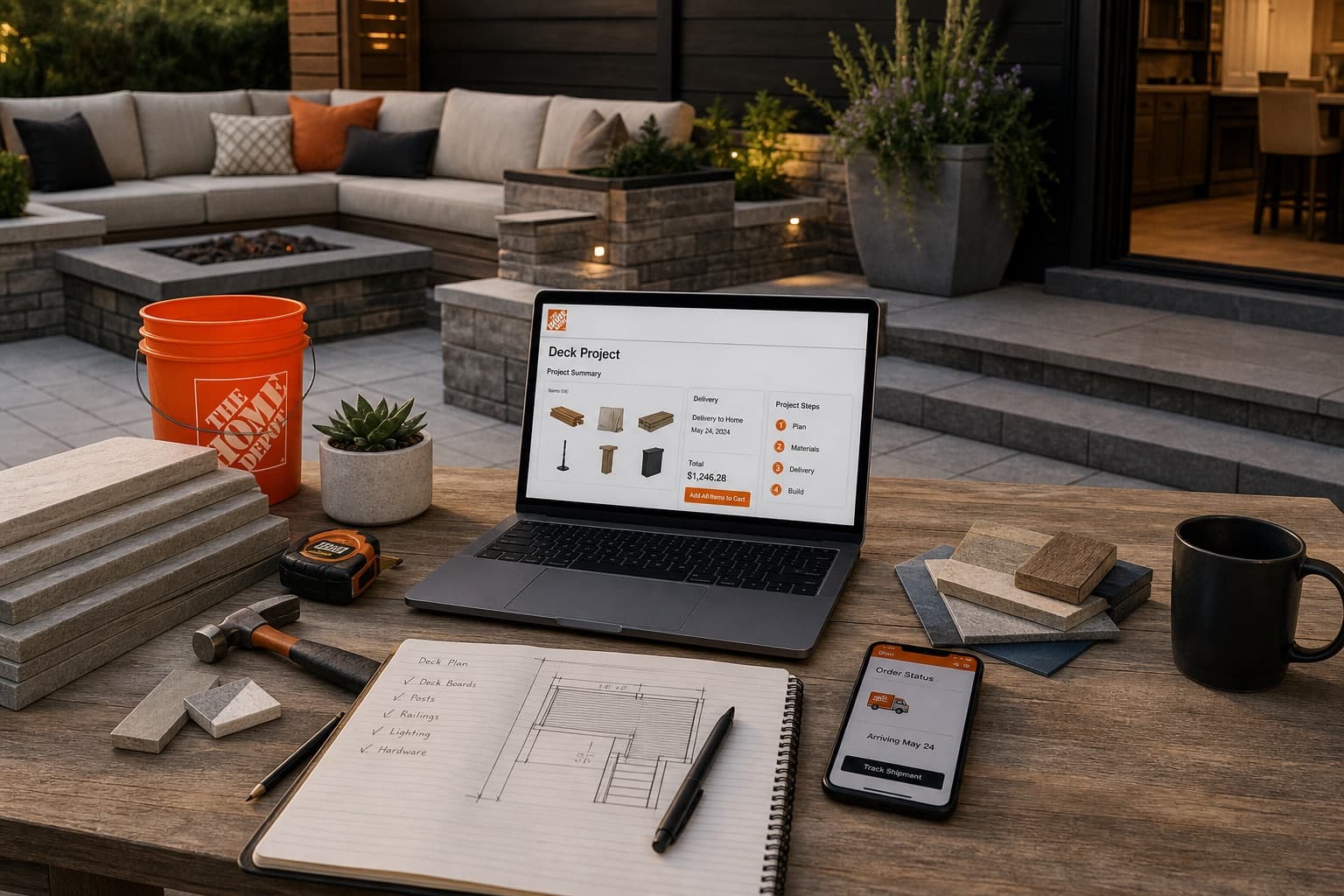
Gibson helped lead designers and researchers creating reusable, validated project-shopping patterns for calculators, configurators, mobile flows, input types, and design-system-aligned layouts.The work helped teams move project experiences from product-by-product browsing toward guided material selection and more consistent reusable patterns across the Home Depot digital ecosystem.
/ Constraints
Massive product catalog
Project patterns had to work across a massive catalog with many categories, product types, and fulfillment paths.
Highly variable home improvement projects
Home projects vary by home, budget, material, measurement, and confidence level, so flows needed to guide without pretending every customer was the same.
Mobile considerations
Mobile experiences had to keep dense project inputs understandable while customers researched, measured, and shopped in different contexts.