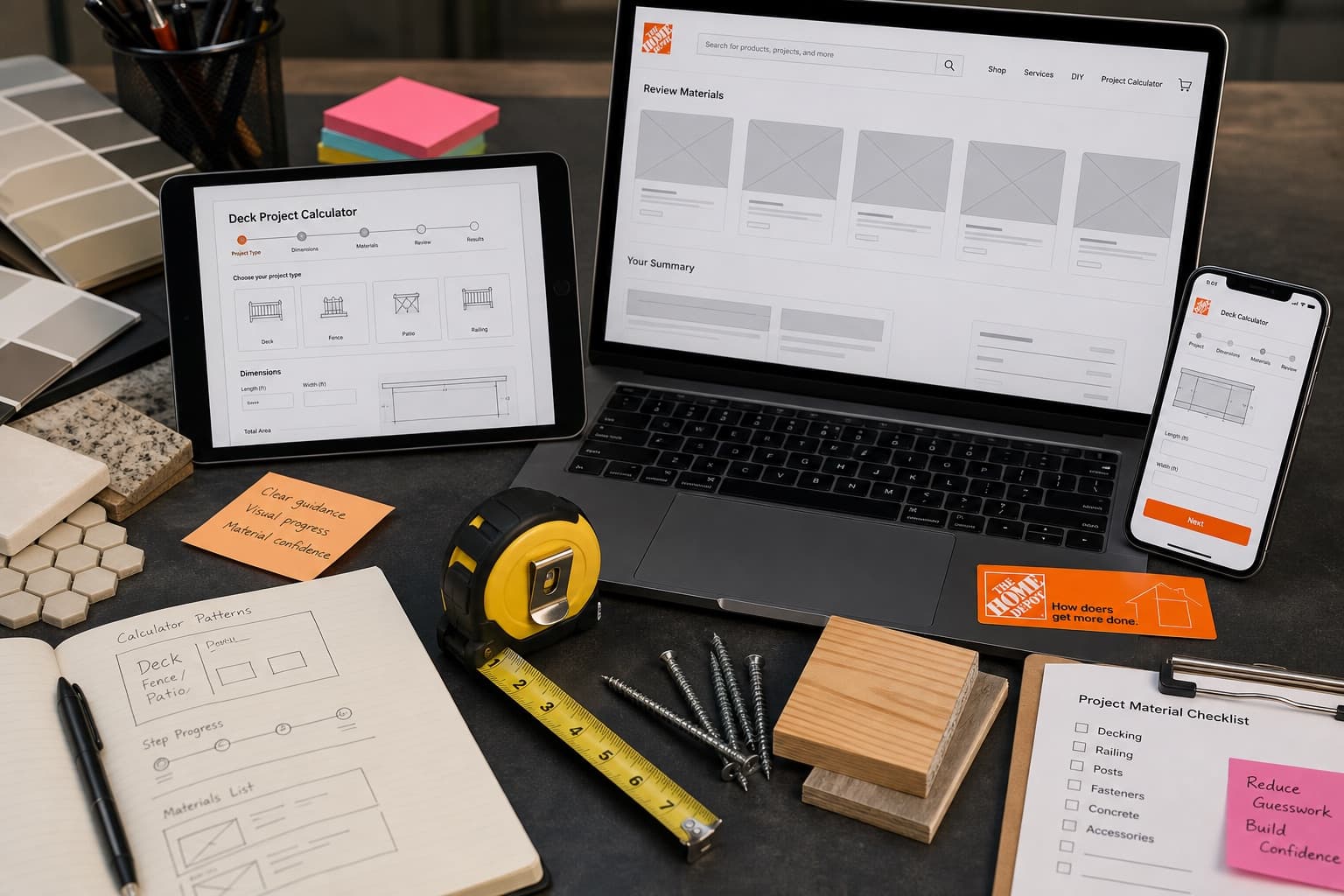

Designing interactive spaces people can understand
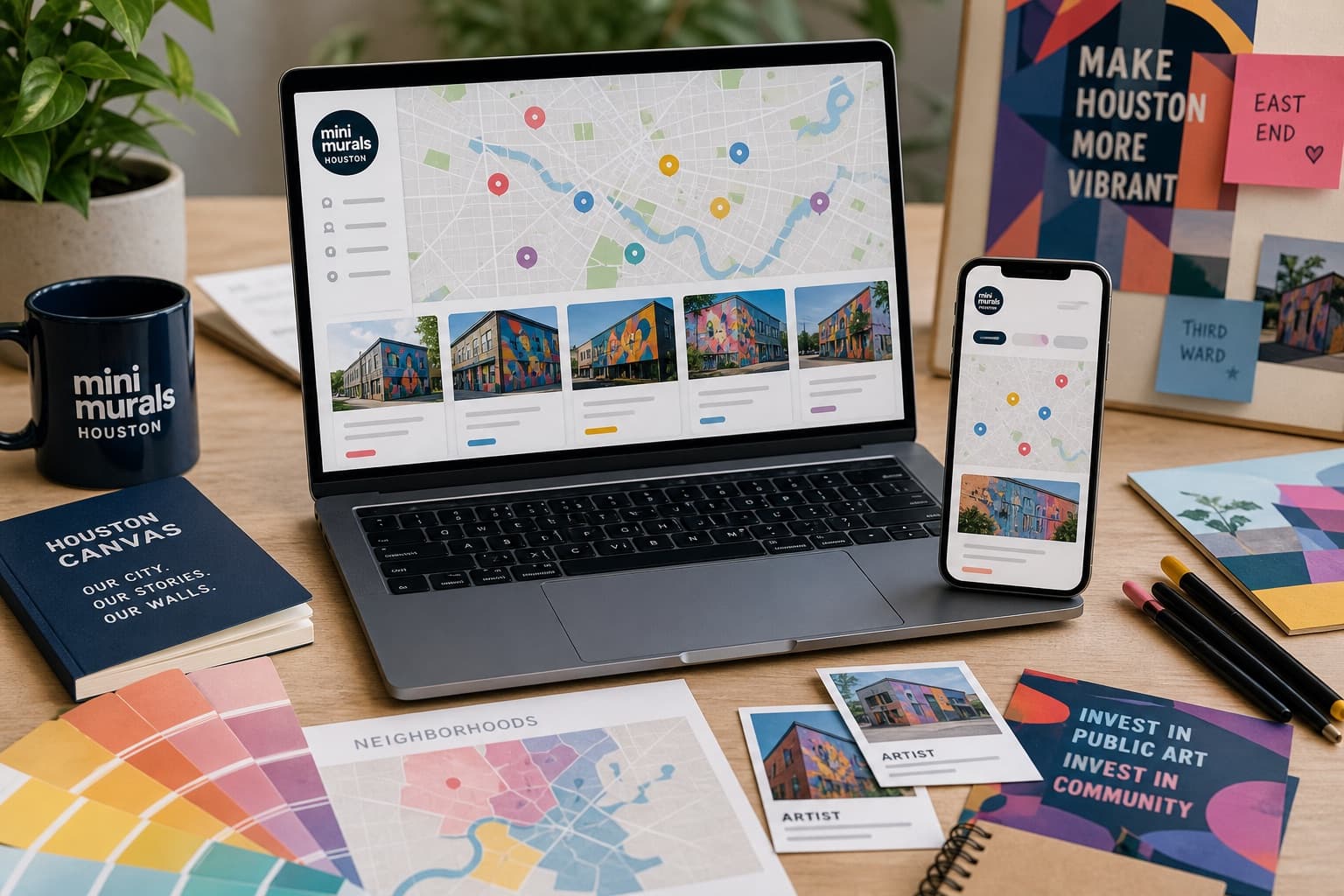
Interactive experiences work best when they help people orient themselves before asking them to explore.Maps, directories, galleries, and AI workflows all need the same basic care: context first, discovery second, action third.
/ Table of contents:
Give people a starting point
A good interactive space does not assume people know what they want. It gives them useful entry points: neighborhood, role, need, theme, task, or next best action.
That was true for public art discovery, and it is just as true for commerce funnels, healthcare navigation, and founder-led product launches.
Discovery is easier when the system gives people a place to stand.Orientation is part of the interface.
/ Gibson Hall
Make exploration feel bounded
Exploration should feel open without becoming vague. Filters, categories, cards, maps, and summaries all help people understand what kind of space they are in.
The trick is giving enough structure to reduce confusion without making the experience feel closed.
Connect discovery to action
The last step is making sure discovery leads somewhere. That might be booking a class, finding a physician, planning a project, reading a case study, or contacting a team.
Interactive design earns its keep when curiosity can turn into a confident next move.